

🎯 CURRENT RATES ⏰ Valid until July 16 📅 Book TODAY and lock in the price!     🎯 CURRENT RATES ⏰ Valid until July 16 📅 Book TODAY and lock in the price!     🎯 CURRENT RATES ⏰ Valid until July 16 📅 Book TODAY and lock in the price!

Orthodontics and digital smile design

Orthodontics and digital smile design

Orthodontics and dental aesthetics

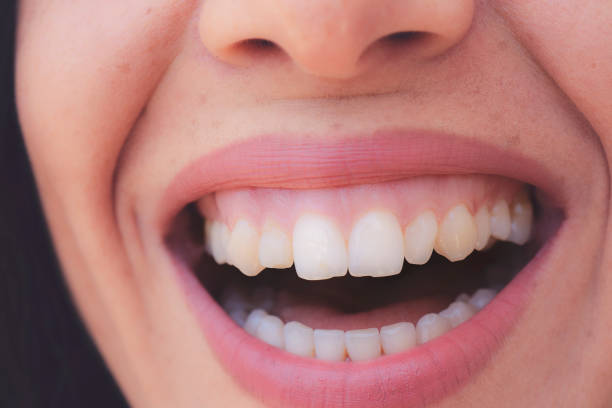
Example of a gummy smile showing excess gum tissue

Gummy Smile: What It Is, Causes and How to Correct It

The gummy smile, A gummy smile, also known as a gumline smile, is one of the most common aesthetic concerns in dentistry. It is characterized by an excessive amount of gum tissue showing when smiling, which can affect facial harmony and the self-confidence of those who have it.

In this comprehensive guide, we explain exactly what a gummy smile is, its main causes, and the most effective treatments to correct it in 2026. If you're looking for Invisible Orthodontics in Barcelona, At our clinic we can help you achieve the smile you've always wanted.

Content

What is a gummy smile?

A gummy smile is a cosmetic condition in which, when smiling, a gummy smile is displayed. disproportionate amount of gum in relation to the teeth. This feature can make the teeth appear smaller than normal and the smile lose its harmony.

It is important to note that a gummy smile It is not a disease or an oral health problem in itself. It is primarily an aesthetic issue that, nevertheless, can significantly affect the self-esteem and confidence of those who suffer from it.

How many millimeters of gum tissue is considered a gummy smile?

Dental professionals have established objective parameters to determine when we are dealing with a gummy smile:

In men: A gummy smile is considered to be when more than 2 millimeters of gum are shown when smiling.

In women: The threshold is between 3 and 4 millimeters of gingival exposure.

This difference between genders is due to the fact that, in women, a slight exposure of gum tissue can give a more youthful and sweet appearance to the smile.

Causes of a gummy smile

There are four main causes that can cause a gummy smile:

1. Long maxilla: It occurs when the upper jawbone has grown excessively in a vertical direction.

2. Altered passive eruption: It occurs when, during the tooth eruption process, the gum does not recede enough.

3. Low tooth position: It occurs when the upper incisors grow too far downwards.

4. Short or hypermobile upper lip: A lip that is too short or that rises excessively when smiling.

Correction of gummy smile with orthodontics

Is a gummy smile hereditary?

Yes, the A gummy smile may have a hereditary component. Important. Many of the causes are related to facial bone and muscle structure, characteristics that are genetically transmitted from parents to children.

If one of your parents or close relatives has a gummy smile, you're more likely to develop one too. However, current treatments can effectively correct it.

Gummy smile in children and adolescents

A gummy smile can appear from an early age, although in many cases It becomes more evident during adolescence, when facial and dental development is complete.

In children, it is important to perform a initial diagnosis early to identify possible alterations in maxillary growth.

In adolescents, treatments can be considered for orthodontics to correct the position of the teeth.

Psychological impact of a gummy smile

Although a gummy smile does not pose a health problem, its emotional and psychological impact It can be very significant:

Low self-esteem: Many people feel self-conscious about their smile.

Social insecurity: They may avoid social situations or photographs.

A suppressed smile: They develop the habit of smiling in a controlled way.

If a gummy smile causes you emotional distress, it's important to know that effective solutions exist.

Treatments to correct a gummy smile

The good news is that a gummy smile There is a solution. Depending on the underlying cause, there are different treatments:

Gingivectomy: For altered passive eruption.

Orthodontics/Invisalign: For low tooth position.

Orthognathic surgery: For a long jaw.

Botox/Hyaluronic acid: For hypermobile lip.

👉 Check out our invisible orthodontics prices in Barcelona and request a free assessment.

Gingivectomy: what it is and how it works

The gingivectomy It is a minor surgical procedure that consists of remove excess gingival tissue to expose a larger surface area of the tooth.

Advantages: Outpatient procedure, immediate and visible results, rapid recovery (7-14 days) and minimal postoperative discomfort.

Orthognathic surgery for gummy smile

The orthognathic surgery It is the indicated treatment when a gummy smile is due to a excessive vertical growth of the upper jaw.

It is a surgical procedure that allows the upper jaw to be repositioned, moving it vertically upwards to reduce the amount of gum visible when smiling.

This treatment must be performed by a qualified specialist with experience.

Orthodontics and Invisalign for a gummy smile

When a gummy smile is due to a low tooth position, The most appropriate treatment is the orthodontics.

Orthodontics allows teeth to be intruded, that is, moved upwards within the jawbone.

Options: Invisalign (clear aligners), cosmetic braces or metal braces.

Get to know the Invisalign treatment phases to know what to expect. Ideal for adults who seek discretion.

Botox and hyaluronic acid: non-invasive treatments

When a gummy smile is due to a hypermobile upper lip, There are very effective non-surgical treatments available:

Botulinum toxin (Botox): It is injected into the levator labii superioris muscles. Duration: 4-6 months.

Hyaluronic acid: It is used to add volume to the upper lip. Duration: 6-12 months.

Both treatments are reversible and safe.

How much does it cost to correct a gummy smile?

Yes, in many cases it's possible. If the cause is a low tooth position, orthodontics can correct it without surgery. If it's due to a hypermobile lip, Botox or hyaluronic acid are non-surgical options.

The effect of Botox for correcting a gummy smile lasts approximately four to six months. After this time, the treatment will need to be repeated to maintain the results.

It depends on the treatment performed. Gingivectomy and orthognathic surgery offer permanent results. Botox and hyaluronic acid are temporary and require maintenance.

A gummy smile can be treated at any age. In children, orthopedic intervention can begin as early as 6-8 years old. Orthognathic surgery is recommended once growth is complete (17-20 years old).

Each treatment is indicated for different causes. Gingivectomy is ideal for excess gum tissue, while orthognathic surgery is necessary when the problem lies in the jawbone.

How useful did you find this content?

Click on a star to rate it!

Average score 5 / 5. Vote count: 1

So far, there are no votes! Be the first to rate this content.

Further News

THE CLINIC IS CLOSED IN AUGUST.

You can schedule your first visit online now and secure your spot for a free full diagnosis in September.

Call Now Button