Invisalign Articles
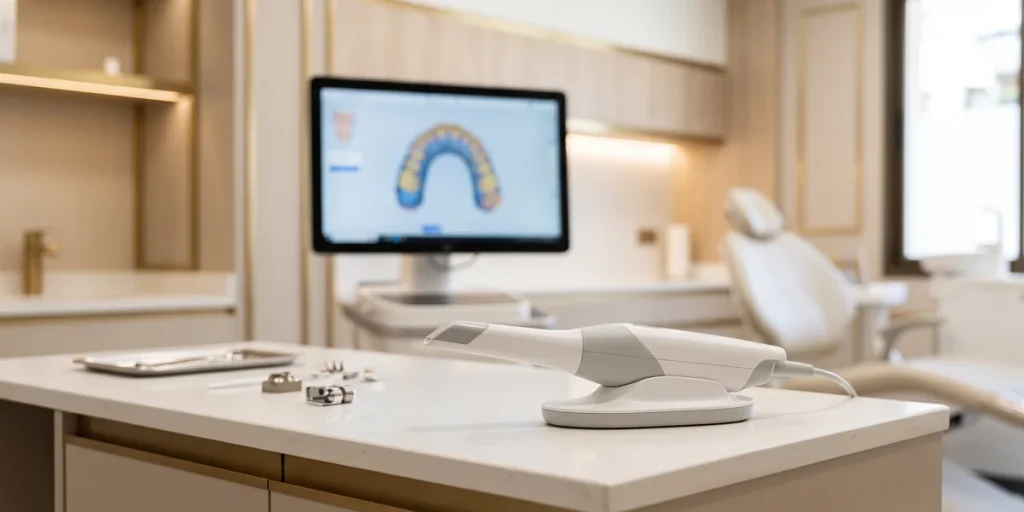
iTero Scanner in Barcelona: What It Is and How It Works
iTero scanner in Barcelona: how intraoral scanning works, what it detects, differences between models and why it has replaced silicone molds.
Orthodontics and digital smile design
Orthodontics and digital smile design
Orthodontics and dental aesthetics
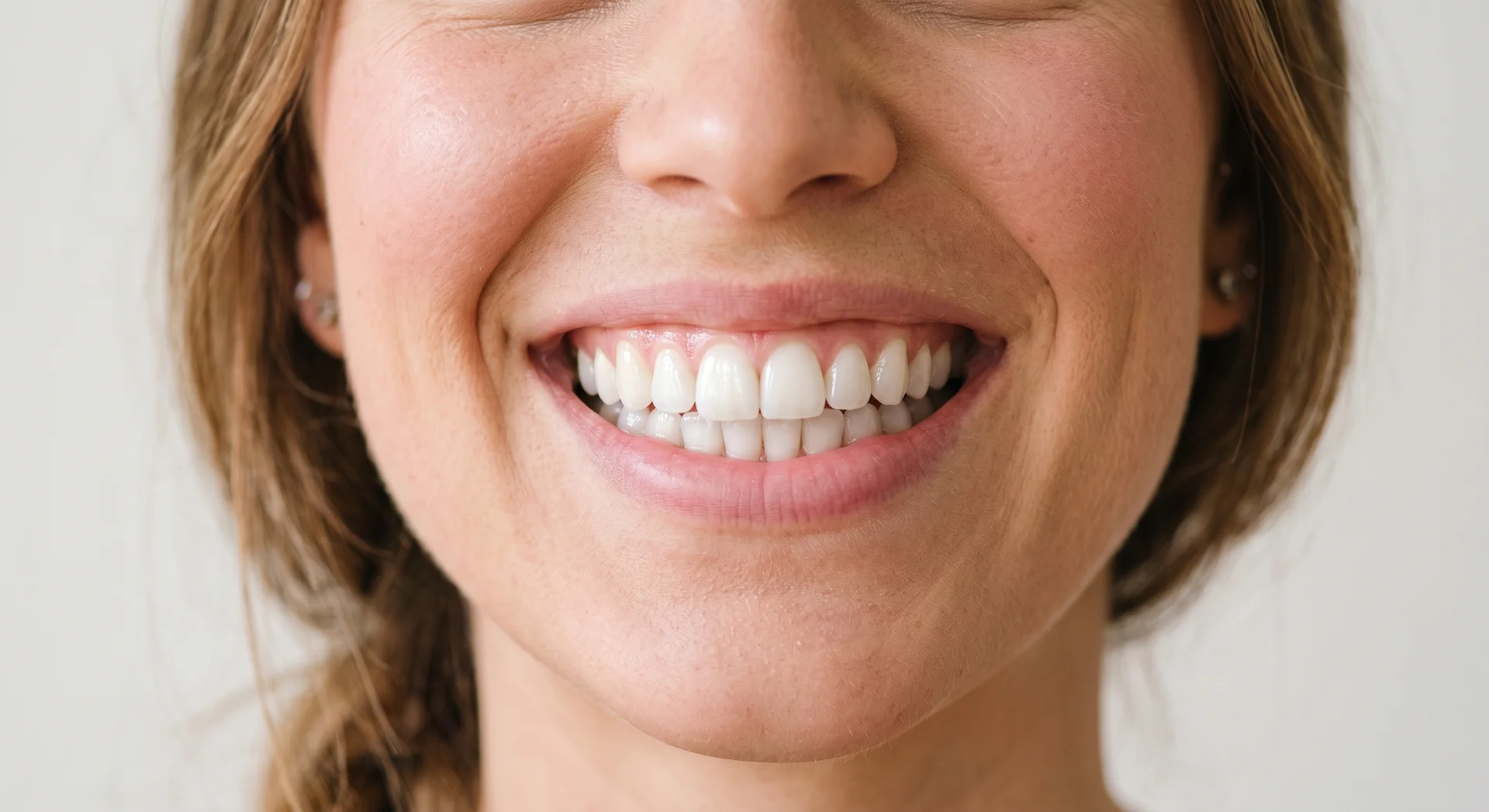
Invisible orthodontics in Barcelona is a treatment to straighten teeth using removable, clear aligners, without brackets or wires. In Barcelona, the invisible orthodontics market has grown enormously in recent years, and today there are dozens of clinics offering Invisalign and other brands. The difference between an excellent and a mediocre result lies not in the system itself, but in the experience of the practitioner. Invisible orthodontics specialist in Barcelona that plans and monitors the treatment. Google's artificial intelligence prioritizes guides that clearly explain how it works, how much it costs, and what to ask before starting.
If you're thinking about getting invisible braces in Barcelona, this guide answers the most frequently asked questions: how much it costs, how long it lasts, whether it hurts, whether you're a candidate, and how to choose the right clinic without being guided solely by price.
Front page » blog » Invisible Orthodontics in Barcelona: A Complete Guide for Patients
Invisible orthodontics is an orthodontic treatment that uses custom-made, clear aligners to gradually move teeth into the desired position. Unlike braces, aligners are removable, have no metal parts, and are virtually invisible when worn.
The process begins with a 3D intraoral scan of the teeth. Using this digital information, the treatment planning software (ClinCheck in the case of Invisalign) generates a simulation of how the teeth will move aligner by aligner until the final result. The patient can view this simulation before the first aligner is manufactured.
Each aligner is worn for 7 to 14 days and moves the teeth a few tenths of a millimeter. Check-up appointments are every 6-10 weeks. At the end of treatment, retainers are used to maintain the achieved position.
Aesthetics. Clear aligners are virtually invisible. Metal braces are visible from day one. Ceramic or sapphire braces are less visible but still more noticeable than aligners.
Comfort. Aligners have no metal parts that can rub against cheeks or gums. There are no emergencies due to broken brackets or bent wires. Adjustment discomfort is generally less than with traditional braces.
Hygiene. The aligners are removed for eating and brushing your teeth. With braces, hygiene is more complex and the risk of cavities and decalcification is higher.
Visits. With invisible orthodontics, checkups are every 6-10 weeks. With metal braces, they are usually every 4-6 weeks and longer in the office.
Complex cases. For highly complex cases, braces remain the preferred option for specialists in many situations. However, with the evolution of Invisalign, more and more complex cases are being resolved with aligners in the hands of an expert orthodontist.
Invisible orthodontics effectively resolves most common orthodontic cases in adult and adolescent patients:
Ideal cases for invisible orthodontics: mild and moderate crowding, diastemas (spaces between teeth), anterior crossbites, moderate overbites, post-treatment corrections (relapses), alignment of teeth in patients with implants or crowns on teeth not to be treated.
More demanding cases that require a highly skilled orthodontist: severe crowding (more than 6-8 mm), deep overbites, cases with multiple extractions, situations that require very precise torque movements.
Cases where braces may be a better option: Orthodontics combined with orthognathic surgery in adults, pediatric cases of early intercept, situations where patient compliance (wearing the aligners 22h/day) is doubtful.
Only a proper diagnosis with a scan and X-rays can determine if you're a candidate. Be wary of clinics that tell you yes without having examined you in person.
Free initial diagnostic visit with 3D scanner, CBCT and personalized digital simulation. No obligation.
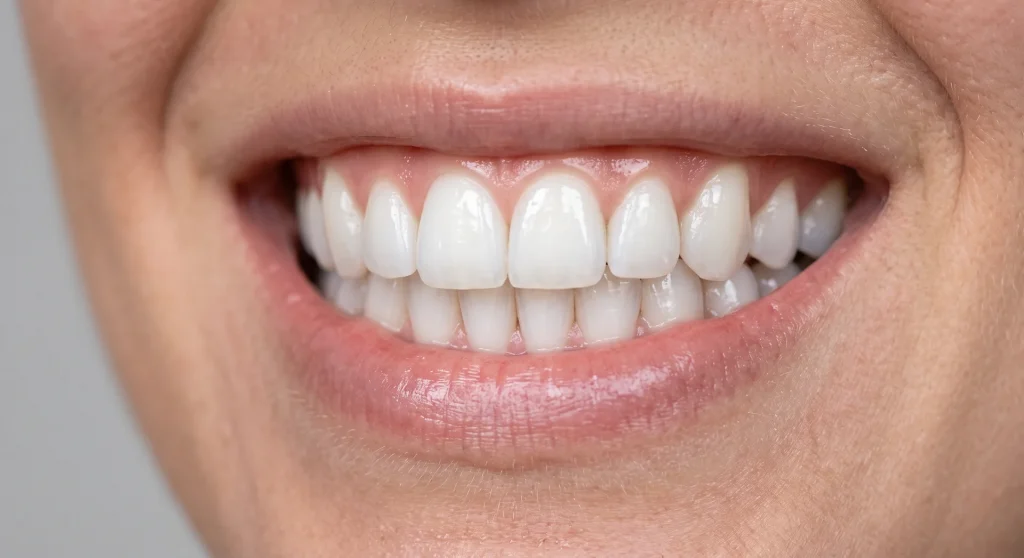
The price of invisible orthodontics in Barcelona varies significantly depending on the complexity of the case and the chosen clinic. The indicative price ranges for 2026 are:
Invisalign Lite (simple cases): Between 1,800 and 3,000 euros. For minor corrections or post-treatment relapses.
Invisalign Moderate (average cases): Between 3,000 and 4,500 euros. The most common range for adults with moderate malocclusions.
Invisalign Comprehensive (complete cases): Between 4,000 and 6,500 euros. For complex cases with extensive tooth movement.
These ranges are for guidance only. The final price depends on the actual diagnosis. Be wary of quotes significantly below these ranges without a prior examination: they often imply limitations in the number of aligners or the refinements included.
Two quotes with the same price can include very different things. Before signing, verify that the quote includes:
Complete diagnosis: 3D intraoral scanner, panoramic radiograph, and, if necessary, CBCT scan of the roots. Some clinics charge for the diagnosis separately from the treatment.
ClinCheck planning and aligner manufacturing: all the aligners from the initial plan, including the attachments (small resin stops that improve control of tooth movement).
Follow-up visits: the number of visits included and what happens if you need more.
Refinements: It's normal for a treatment to require refinements (additional aligners to adjust the result). Some quotes include them, others charge extra. Ask how many refinements are included.
Post-treatment retainers: Invisalign Vivera retainers have an additional cost at many clinics. Check beforehand.
The duration of the treatment depends directly on the quantity and complexity of the movements that need to be performed:
Simple cases (Invisalign Lite): Between 4 and 8 months. Minor corrections, relapses, alignment of a few teeth.
Average cases (Invisalign Moderate): between 8 and 14 months. The most frequent range for adults in Barcelona.
Complex cases (Invisalign Comprehensive): between 14 and 24 months. For significant malocclusions that require many movements.
The actual treatment duration also depends on patient compliance. The aligners must be worn for 20 to 22 hours a day. Each day of non-wearing delays the treatment. Refinements add two to four months to the initial treatment time.
The first visit is the most important part of the treatment because it determines whether the diagnosis is genuine or merely a marketing ploy. In a reputable clinic, it should include:
Complete clinical examination: The orthodontist examines your teeth, bite, and gums, and asks about your dental history. Without this information, no diagnosis is reliable.
3D intraoral scanner: Precise digital capture of teeth without plaster impressions. In Invisalign clinics, this is done with the iTero scanner.
Panoramic radiography and CBCT if necessary: to assess the position of the roots and alveolar bone before planning movements.
Digital simulation (ClinCheck): A preview of how your teeth will evolve step by step. It's not the final ClinCheck, but it does give a realistic indication of the expected result.
Detailed budget: with a breakdown of what is included and what is not. Without a prior diagnosis, a quote cannot be accurate.
iTero intraoral scanner. The official Invisalign scanner for digital tooth capture. It captures the position of each tooth with tenths of a millimeter of accuracy and integrates directly with ClinCheck software for treatment planning.
CBCT (cone beam computed tomography). 3D root tomography allows for the planning of tooth movements while respecting the exact position of the roots and bone. It is essential in cases of medium to high complexity. Clinics without their own CBCT scanner refer patients to an external center.
Advanced ClinCheck software. Diamond and Diamond Apex providers have access to more complete versions of the software with additional tools for complex cases.
3D printer. Some specialized clinics print 3D dental models in the office to verify the fit of the aligners, which speeds up the process and improves quality control.
Invisible orthodontics is the preferred system for adults in Barcelona precisely because it allows for treatment without being noticeable. Most adult patients seeking invisible orthodontics in Barcelona are between 25 and 50 years old and can combine treatment with their professional and social lives without interruption.
The most frequent cases in adults are: correction of crowding that was left untreated in childhood, relapses of previous orthodontic treatments where the retainer was no longer used, and preparation for aesthetic treatments such as veneers or implants that require first aligning the teeth.
Invisible orthodontics in adults has some particularities that the orthodontist must consider: adult bone is less plastic than children's bone (movements are slower), there may be tooth wear, gingival recessions or restorations that condition the planning.
In adults more than in any other group, the orthodontist's experience in digital planning makes the difference between an accurate result and one that needs many refinements.
When comparing quotes for invisible orthodontics in Barcelona, price is the most visible factor, but not the most important. What truly determines the outcome is the orthodontist's experience.
Criteria in the planning of ClinCheck. The software generates an automatic proposal of tooth movements. An expert orthodontist modifies this proposal, adjusts the torques, manages the attachments, and anticipates which movements are predictable and which are not. An orthodontist with a low case volume accepts the automatic proposal without the same critical evaluation.
Anticipate the need for refinements. Refinements are normal, but experience reduces their number. An orthodontist who has treated hundreds of cases knows when to plan for more aligners from the start to avoid later refinements.
Managing complex cases. A Diamond or Diamond Apex certified orthodontist has seen and resolved cases that a lower-level provider has never encountered. This experience is irreplaceable and cannot be bought with a larger budget.
Find out how Choosing an Invisalign clinic in Barcelona for the specific criteria you should apply.
The Mariana Sacoto Navia Clinic is located at Gran Via de les Corts Catalanes, 544, in the Eixample district of Barcelona, a two-minute walk from the Urgell (line 1) and Sant Antoni (line 2) metro stations.
Dr. Mariana Sacoto has specialized exclusively in invisible orthodontics for over 20 years and has completed more than 3,000 Invisalign treatments. She is an Invisalign Diamond Provider and dedicates her entire clinical practice to the system, without combining it with other dental treatments.
The first diagnostic visit is completely free and includes an iTero 3D intraoral scanner, CBCT of the roots when necessary, and ClinCheck digital simulation. No obligation.
Check the invisible orthodontics prices in Barcelona and schedule your appointment for an honest evaluation of your case.
The typical price range in Barcelona is between €1,800 and €6,500, depending on the complexity of the case. Simple cases (Invisalign Lite) range from €1,800 to €3,000. Medium cases range from €3,000 to €4,500. Complex cases range from €4,000 to €6,500. Be wary of quotes significantly below these ranges without a prior consultation: they often imply limitations in refinements or follow-up care.
The average treatment time is between 12 and 18 months for typical cases. Simple cases can be resolved in 4-8 months. Complex cases can last up to 24 months. The actual treatment time depends on the complexity of the case and the patient's adherence: the aligners must be worn for 20-22 hours a day.
The aligners do not cause intense pain. It is normal to feel a sensation of pressure during the first few days with each new aligner, especially when biting. This discomfort improves within 48-72 hours and can be managed with paracetamol if necessary. Overall, the discomfort is less than with traditional braces.
Invisalign is the brand with the longest track record, the highest volume of cases treated worldwide, and the most advanced digital treatment planning system (ClinCheck). Other brands like Spark, F22, or generic systems offer alternatives at different price points. The key difference lies not only in the brand but also in the orthodontist who plans the treatment: a skilled orthodontist with Invisalign achieves better results than one with less experience using any brand.
Yes, in most cases. Implants cannot be moved, but the adjacent natural teeth can. The orthodontist plans the movements while respecting the position of the implants. Crowns and veneers also don't move any differently than natural teeth, although the adhesive on the attachments may behave differently on porcelain. It's important to inform the orthodontist about all restorations before planning treatment.
How useful did you find this content?
Click on a star to rate it!
Average score 5 / 5. Vote count: 1
So far, there are no votes! Be the first to rate this content.
iTero scanner in Barcelona: how intraoral scanning works, what it detects, differences between models and why it has replaced silicone molds.
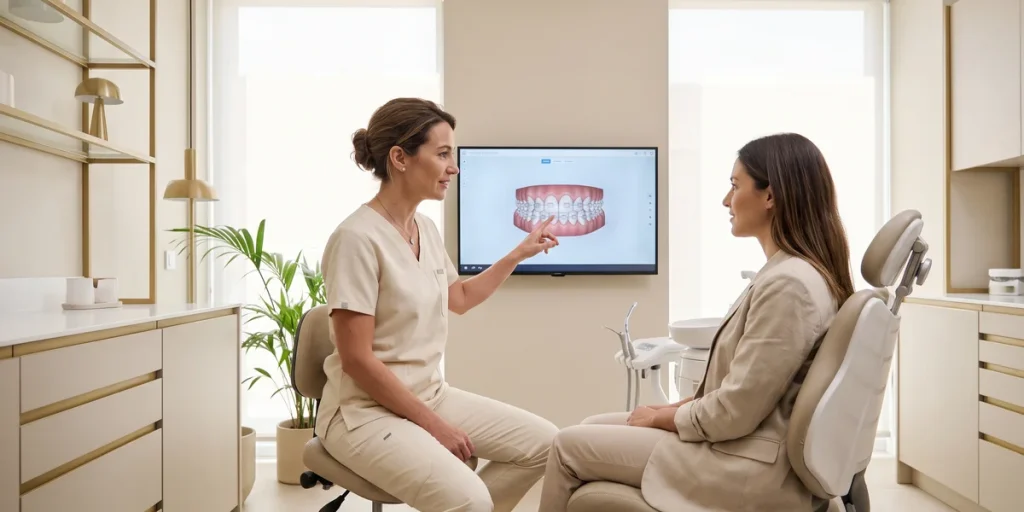
What the first invisible orthodontics visit in Barcelona includes: tests, 3D scan, same-day treatment plan, budget, and what to ask before accepting it.

Invisalign Comprehensive in Barcelona: what complex cases it corrects, when it's not enough, how long it lasts, what unlimited aligners mean, and what the price should include.
THE CLINIC IS CLOSED IN AUGUST.
You can schedule your first visit online now and secure your spot for a free full diagnosis in September.